Coolfire Core
Helping teams defeat operational chaos with organized work, communication, and workflows.
Company
Coolfire Solutions
Year
2022-2023
Platform
Desktop Application • Mobile App
Role
UX/UI Designer II
Scope of work
Product Evolution • Workflow Design • Usability

Coolfire Core was powerful but complex. As the platform grew across industries (from military field teams to food delivery apps), some core workflows became inconsistent, hard to scale, and difficult for users to adopt reliably.
In particular:
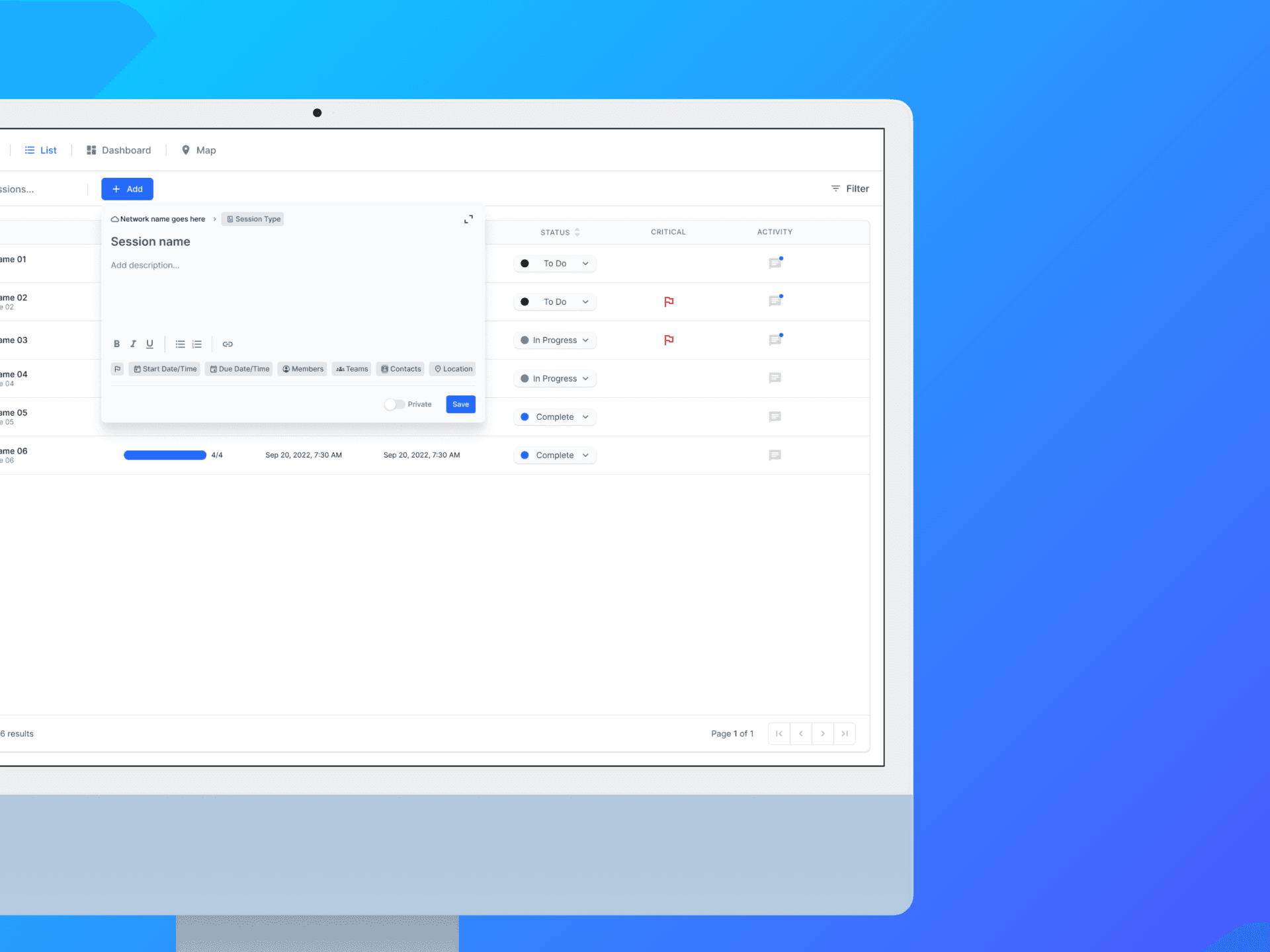
Session and task creation workflows were confusing and fragmented
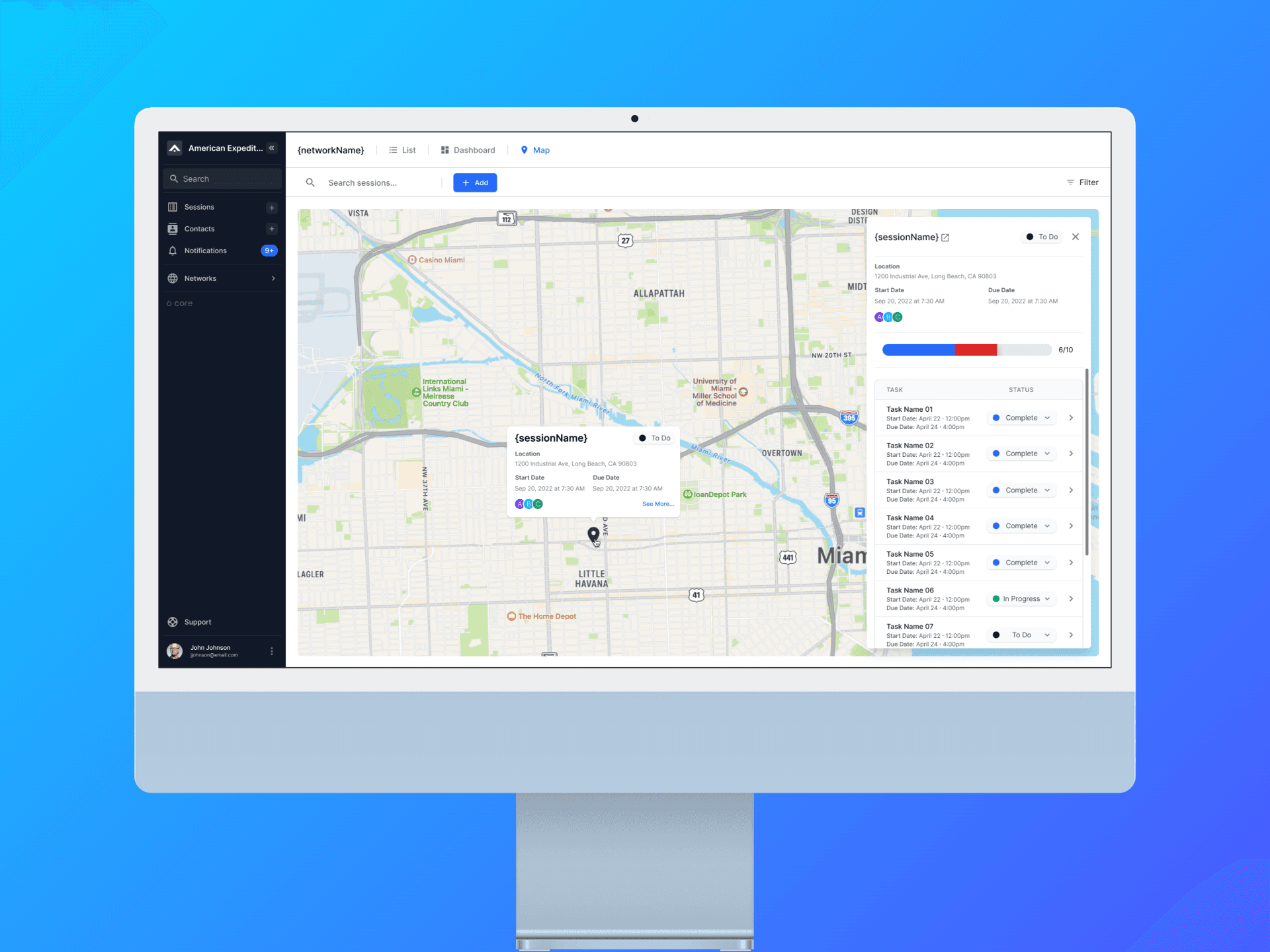
Detail views for session and task data lacked clear hierarchy
New use cases, especially around delivery-oriented workflows needed to fit into the existing system without fragmenting the experience
The challenge was to improve usability and scale the product in a way that fit the real operational needs of users, without rewriting the entire platform or disrupting existing workflows.
Evolving clarity, not just redesigning screens.
Improve usability at scale
Core needed to support increasingly complex missions without becoming harder to use. The redesign focused on simplifying key workflows, especially session and task creation, so users could move faster with more confidence.
Design for growth
As the platform expanded to support new customer types and delivery models, the system needed to scale without breaking. Patterns and layouts were reworked to support new capabilities while maintaining consistency across the product.
Clarify complex workflows
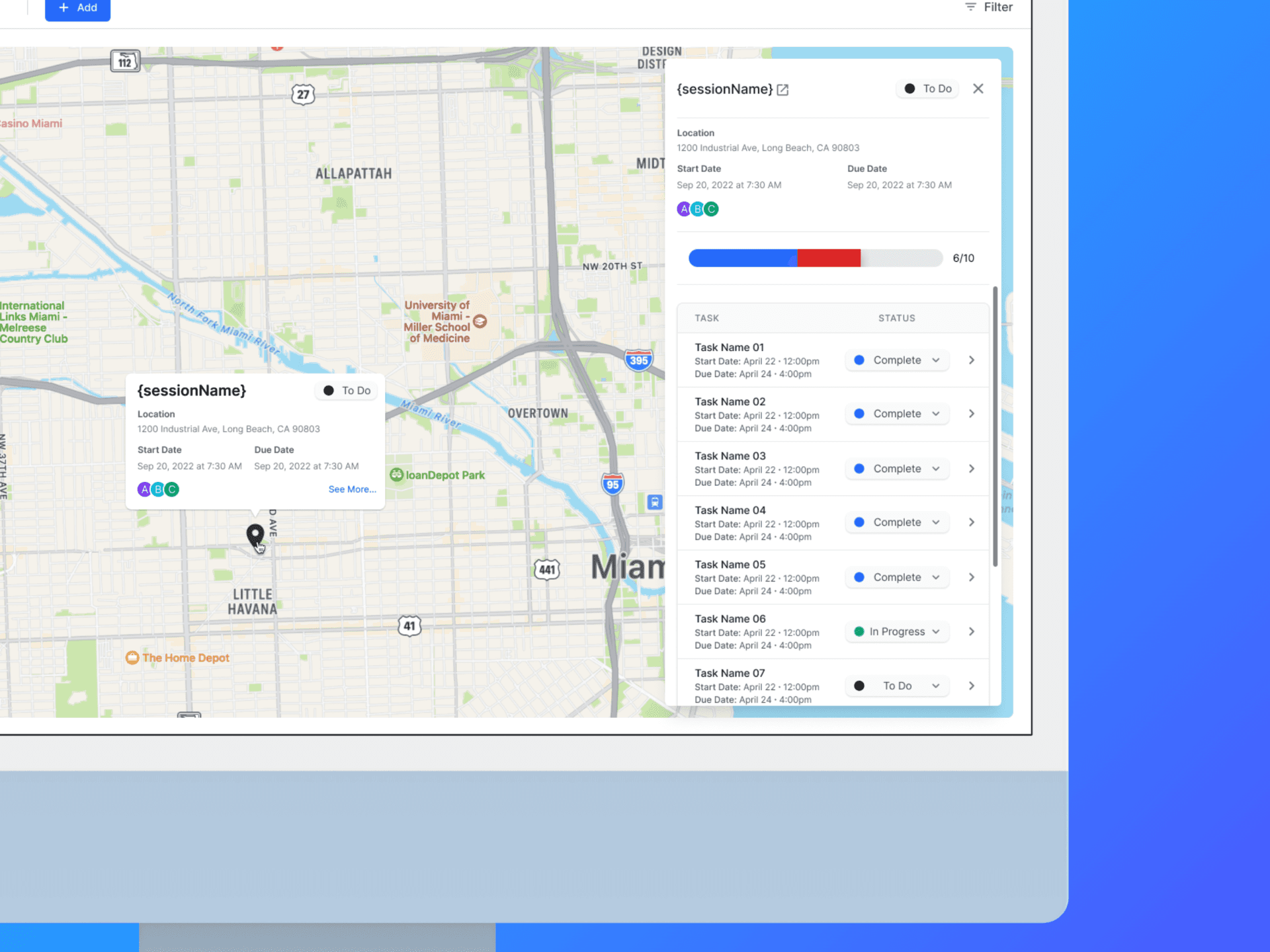
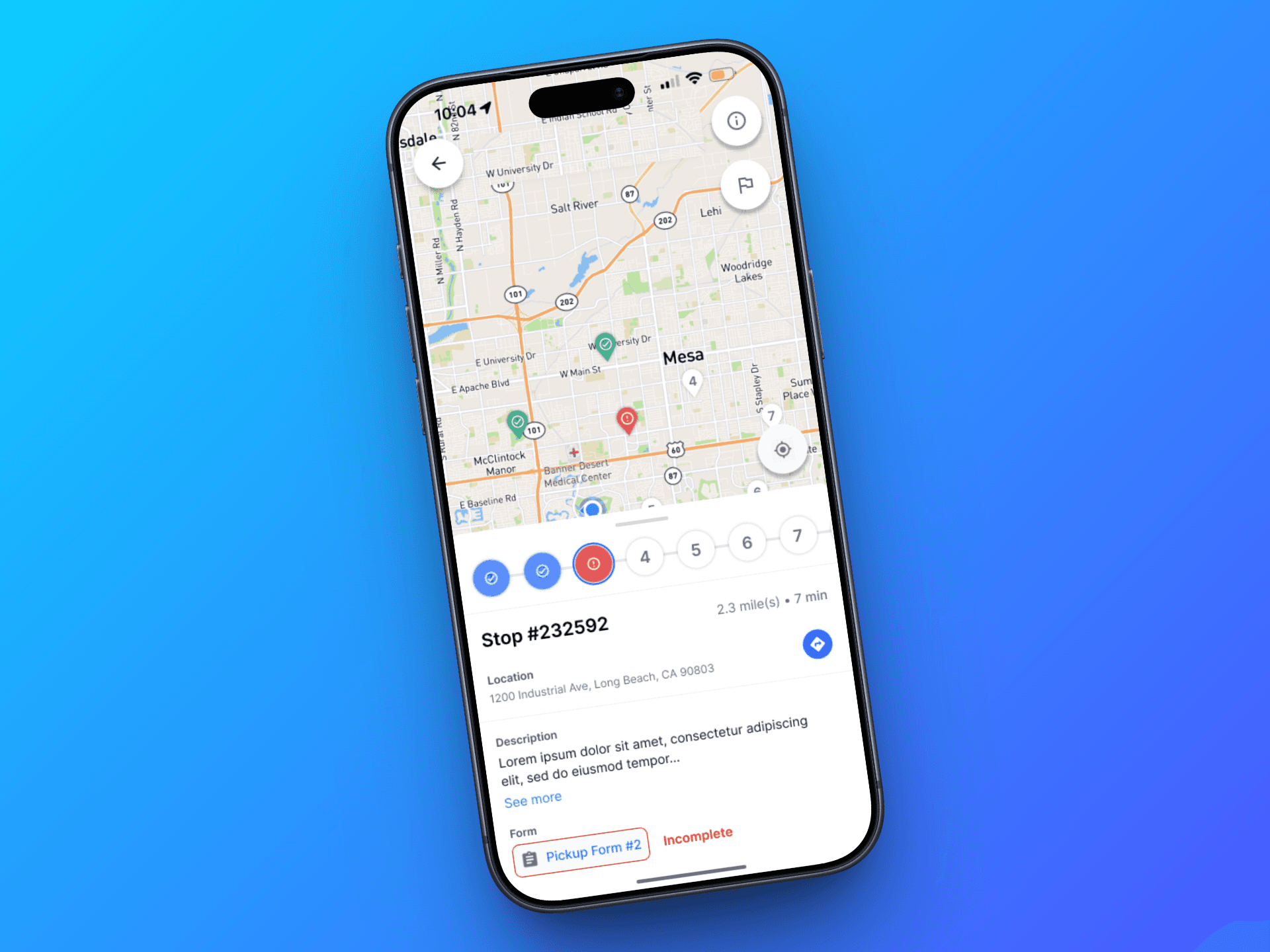
Sessions, tasks, and routes were restructured to better reflect how users plan and execute missions. The goal was to reduce friction, improve discoverability, and make relationships between objects easier to understand.
Strengthen collaboration
Working alongside another designer, decisions were shaped through iteration and feedback. Diverse perspectives helped refine solutions and ensure changes balanced user needs.
Rather than doing a superficial visual refresh, the focus was on system-level clarity and workflow cohesion. Coolfire Core’s value lies in its ability to organize work under pressure and provide real-time visibility. Improving how users create, manage, and interpret that work was the priority.
The first step was understanding how users actually operate:
How do users plan sessions?
What data do they need at a glance in a detail view?
What workflows matter most when managing complex operational tasks?
We aligned closely with real user feedback and usage patterns to guide decisions, not assumptions.
Scaling the product also meant accommodating new customer types, such as delivery-focused workflows, without forcing them into an experience that didn’t naturally fit the existing system.
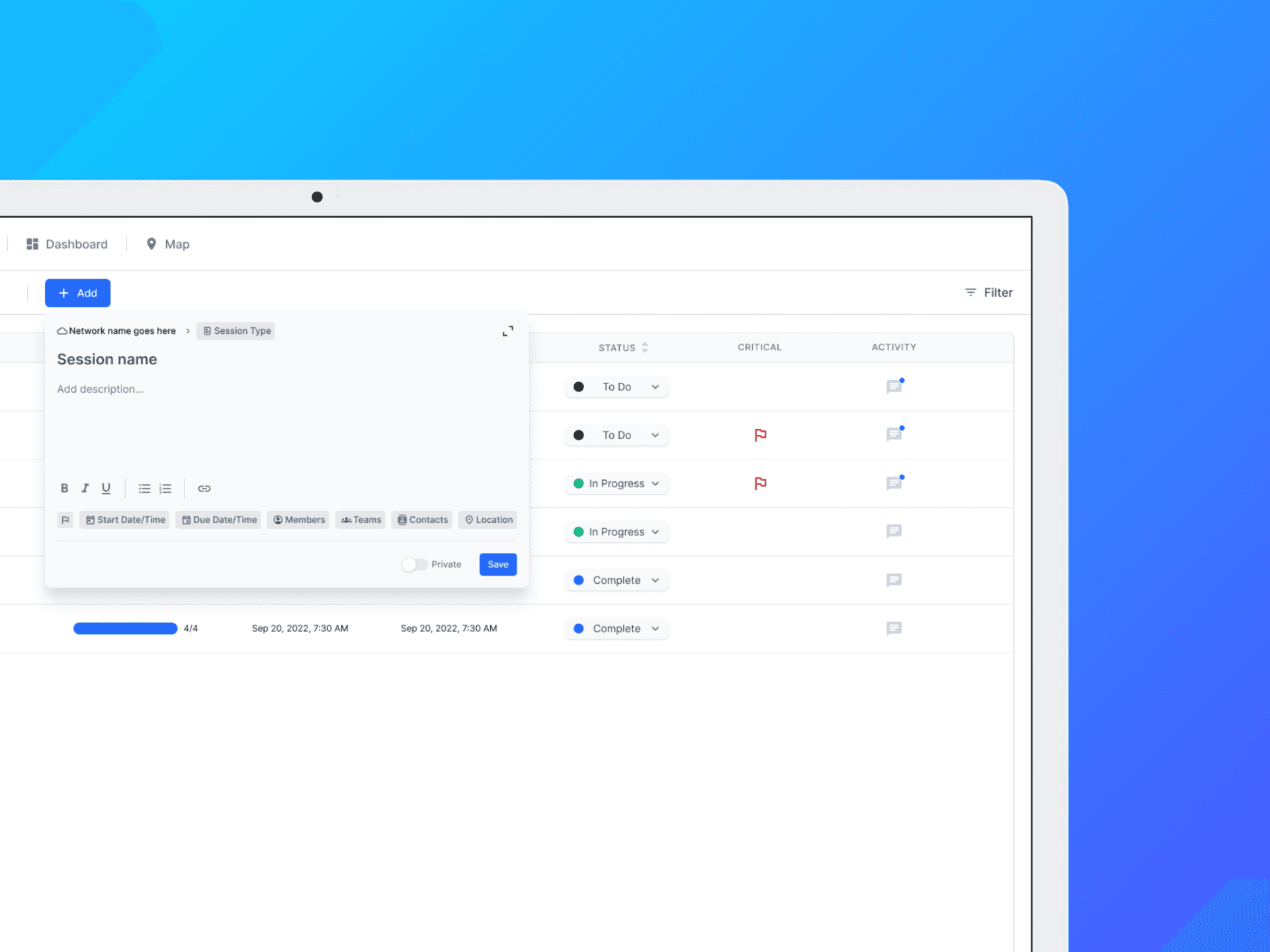
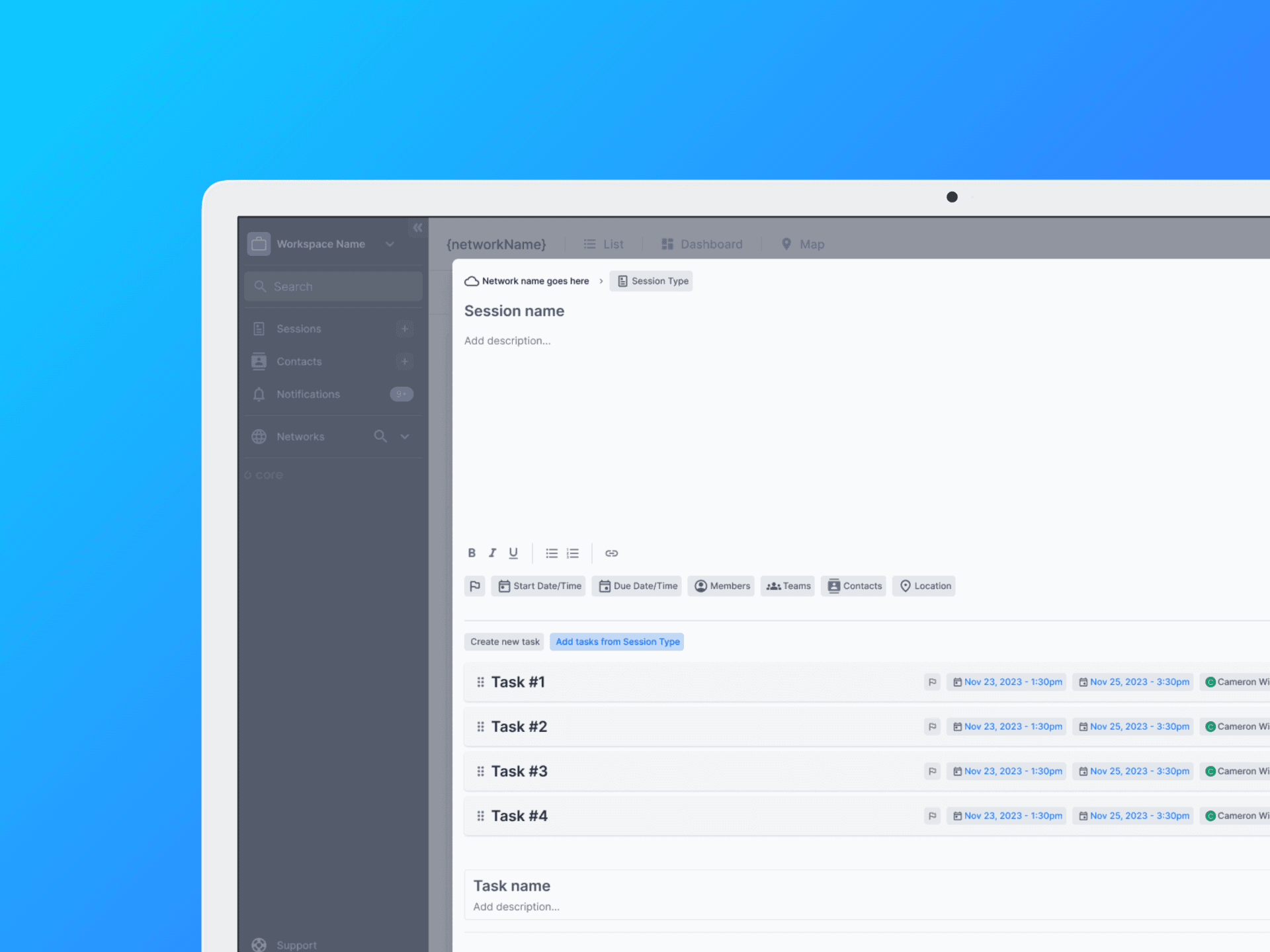
Session & Task Creation
We streamlined creation flows to reduce friction and provide clear guidance. By establishing consistent steps and predictable patterns, users could more easily create sessions and attach tasks with clarity and confidence.
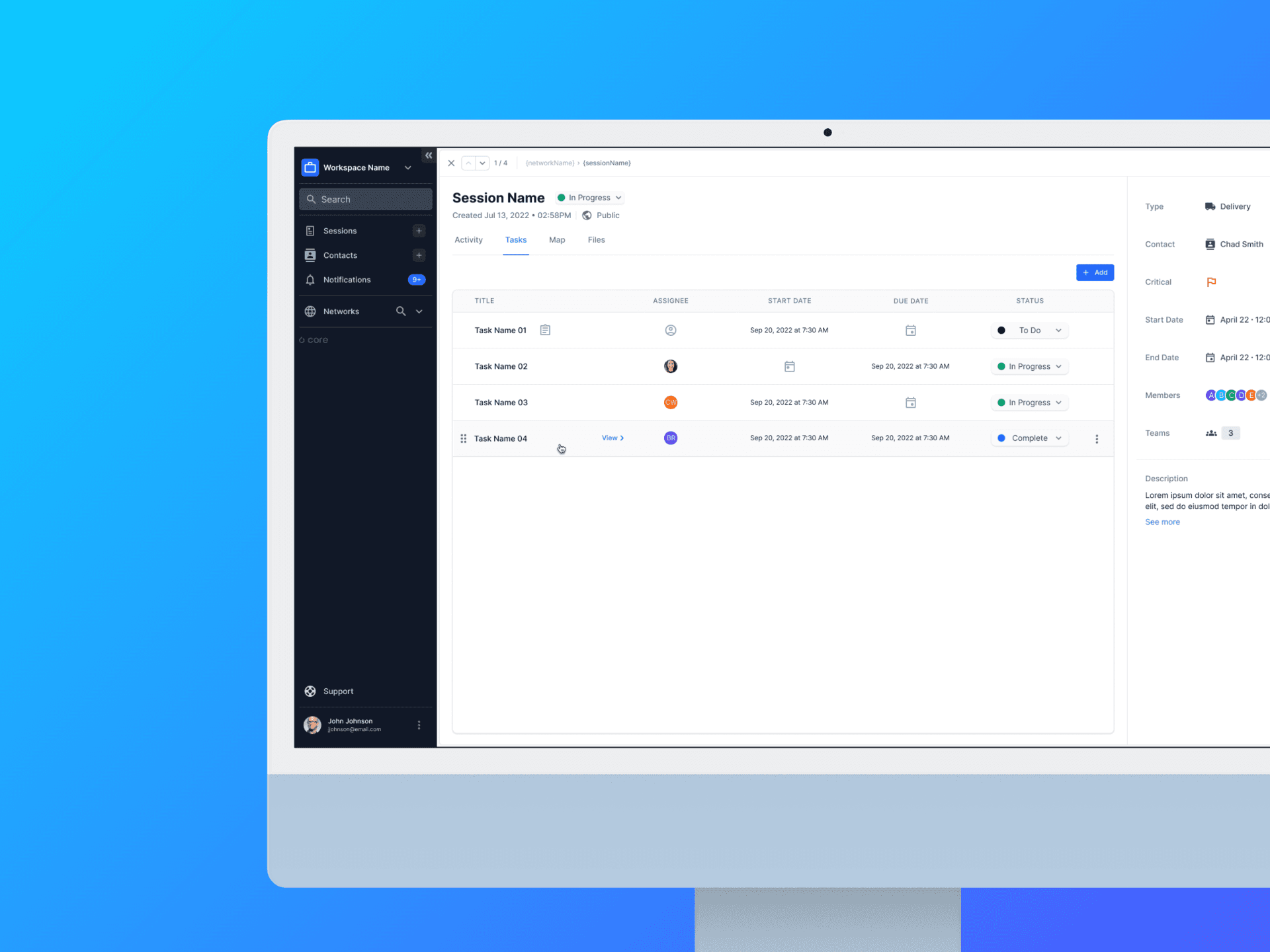
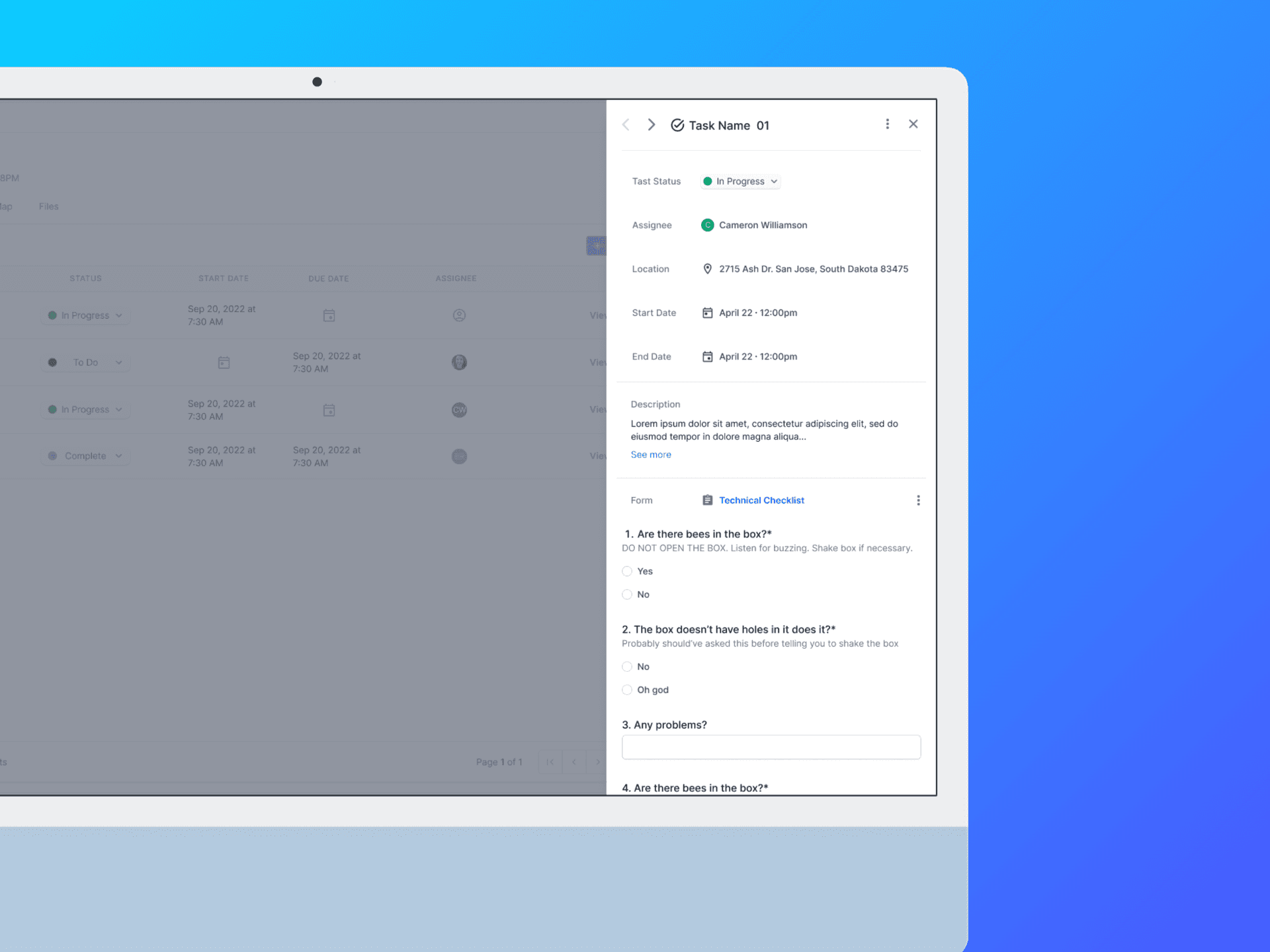
Detail Views
Reworking the structure of session and task detail views improved visibility into relevant data without overwhelming users. Important information like status, relationships, and actionable next steps was surfaced first, with deeper details accessible as needed.
Delivery Routes
As Coolfire expanded into delivery-focused use cases, we introduced capabilities that allowed sessions and tasks to be organized into routes. Rather than building a parallel system for delivery customers, this leveraged existing structures in Coolfire Core, delivering new value without unnecessary duplication.
Working alongside another designer was an important part of this project. Collaboration brought multiple perspectives, strengthened design decisions, and helped balance workloads across a large and evolving product.
Rather than owning every decision in isolation, we challenged assumptions together, refined patterns collaboratively, and aligned on design principles that served the product long-term.
This partnership reinforced the value of shared responsibility within product design, especially when working on mature systems that touch many user roles and scenarios.
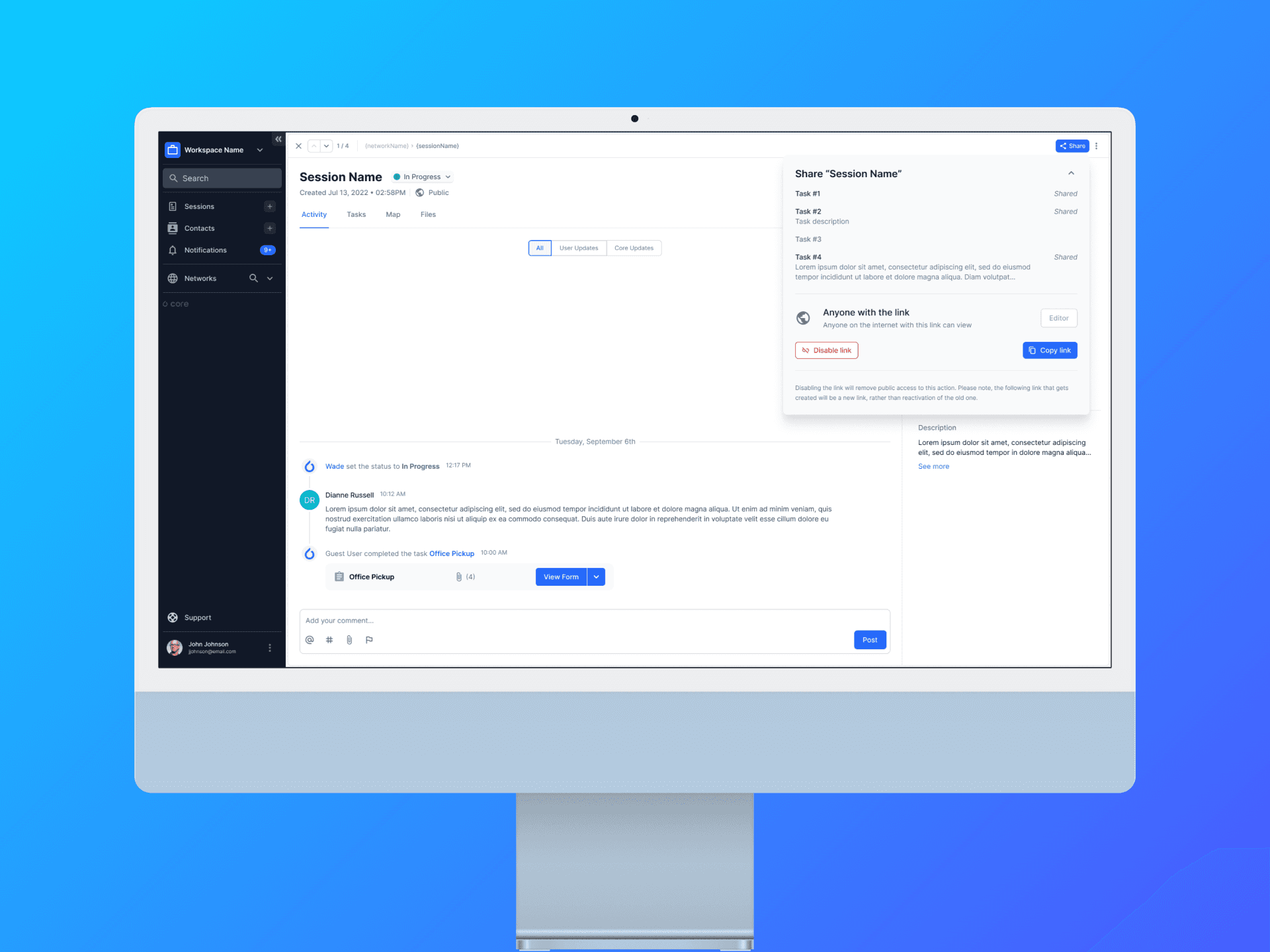
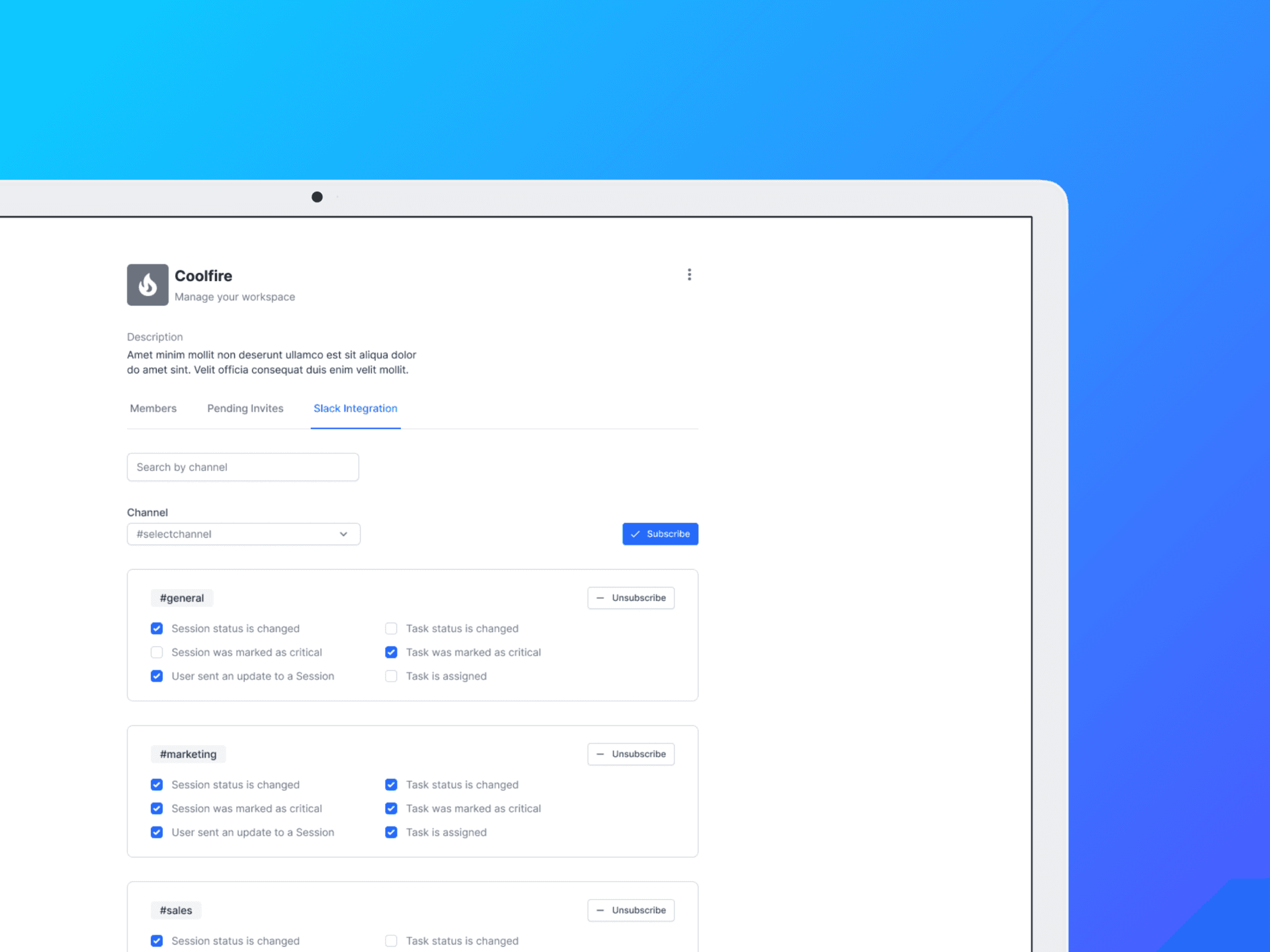
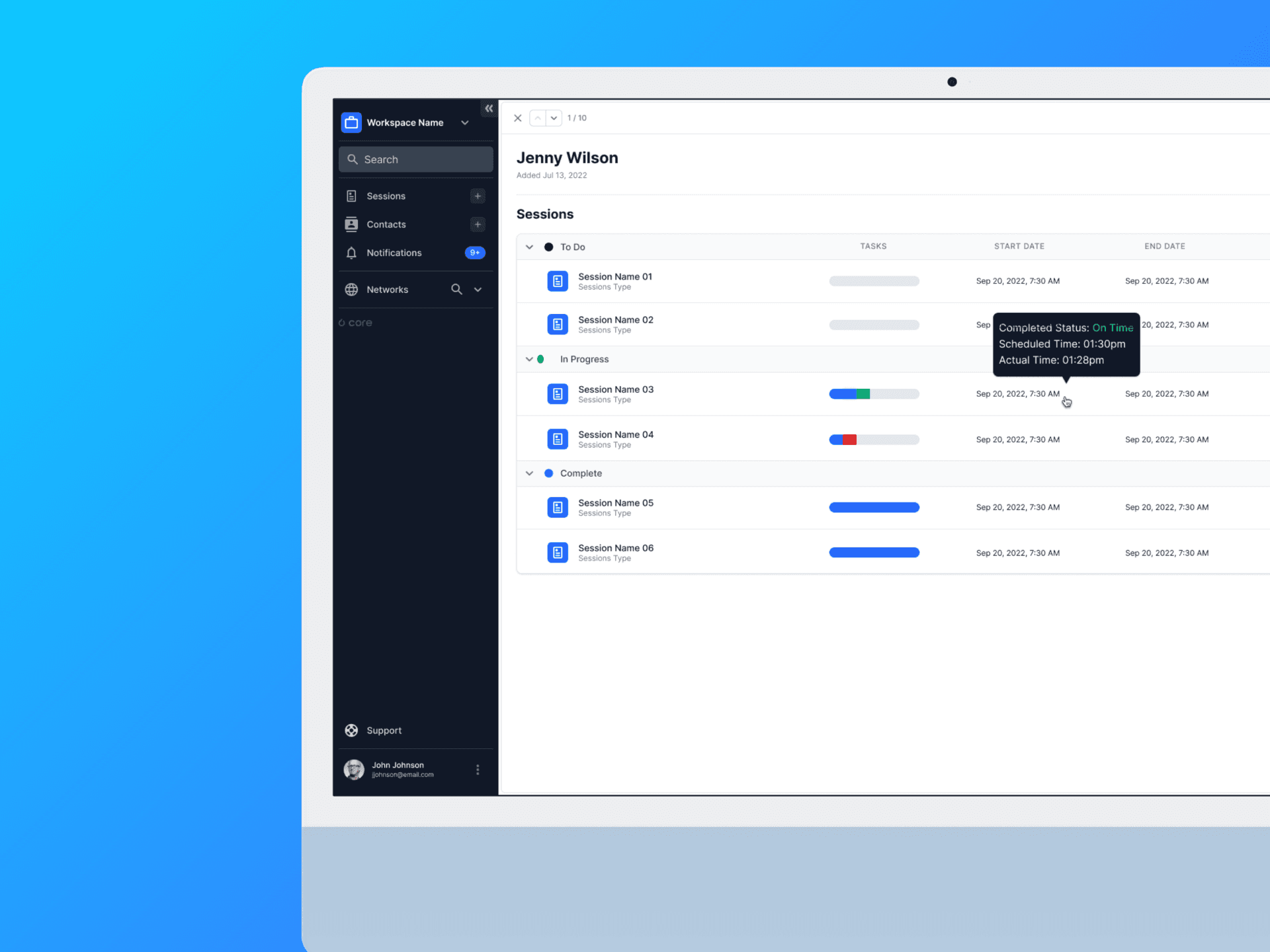
The updates to Coolfire Core improved usability across core workflows and provided a more scalable foundation as the product evolved. Sessions and tasks, central to the platform’s operational value, became more predictable and easier to manage, and the system was able to support growing delivery-oriented use cases without fragmenting the user experience.
This project reinforced several key lessons:
Systems thinking matters more than visuals: clarity and consistency unlock usability far more than aesthetics alone.
Design with context: understanding how teams actually work, especially in high-pressure, operational environments, shapes smarter solutions.
Collaboration strengthens design: working with another designer helped refine patterns, challenge assumptions, and deliver a more resilient product.
Coolfire Core represents the experience of evolving a real, widely used system, bringing usable structure to complexity and improving the experience for a broad set of operational users.
Next projects.
(2018-25©)